Cleaning food-filled dog toys: build a routine you can keep
Inspect the cavity, follow model-specific care instructions, and let everything dry.
Jump to a section
Begin with the actual instructions
Check the care instructions for the exact model and version you own. Similar-looking toys can use different materials and cleaning methods. Do not assume a product is dishwasher-safe because another item from the same brand is.
A practical after-use sequence
- Retrieve the toy and discard leftover food.
- Check for damage and trapped residue before cleaning.
- Disassemble only the parts the instructions allow.
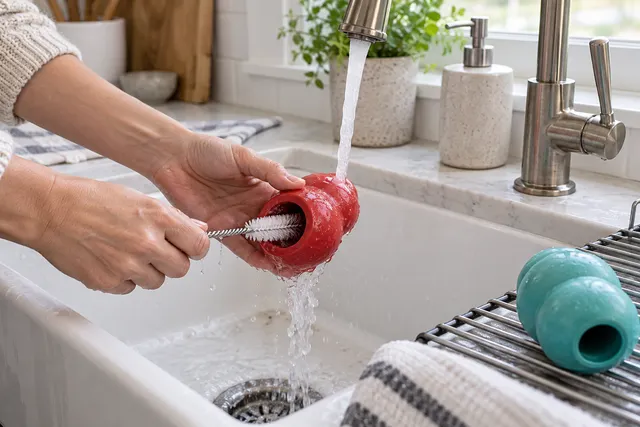
- Clean using the method allowed for that model.
- Rinse and inspect the spaces where food can remain.
- Let all parts dry before storing them in a clean place.
This is a workflow, not a sterilisation protocol. We have not tested bacterial counts or compared cleaning products.
Look beyond the outside surface
The surface that looks clean is not always the surface that held the food. Inspect internal cavities, corners and joins with enough light to see what remains. If you cannot inspect or clean an area reliably, reconsider the filling or the equipment. Avoid improvised modifications that the manufacturer has not approved.
Choose with cleanup in mind
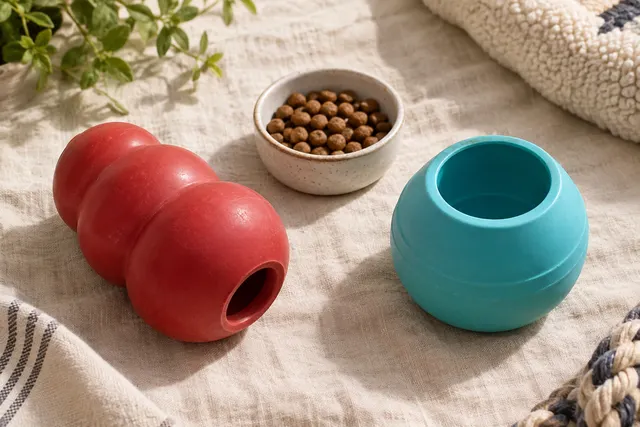
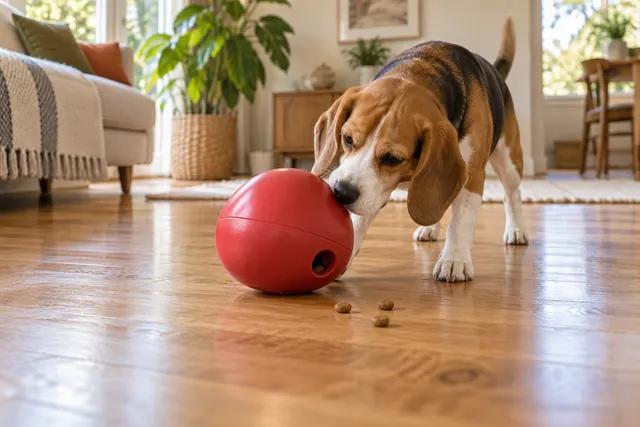
Before buying, ask whether you can reach the food-contact areas and whether the permitted washing method fits your household. Our Classic versus Toppl comparison focuses partly on access; the Wobbler guide notes its screw-open construction. Those design differences inform a decision, but do not establish measured hygiene performance.
Set aside equipment that is damaged, cannot be cleaned properly or no longer closes as intended. Refer to the manufacturer when a care instruction is unclear.