How to Check Dog Supplies for Recalls Using Model and Lot Numbers
Identify the exact item, compare official notices and keep a clear record of unresolved questions, recall instructions and the outcome.
Jump to a section
Start with the exact item, then check the notice
To check dog supplies for a recall, identify the item you own, search the relevant official recall source and the manufacturer’s website, and compare every identifying detail in a possible match. A similar photograph or shared brand name is not enough. If your item matches, follow that notice’s instructions; if the identity remains uncertain, set it aside while you clarify the details with the company.
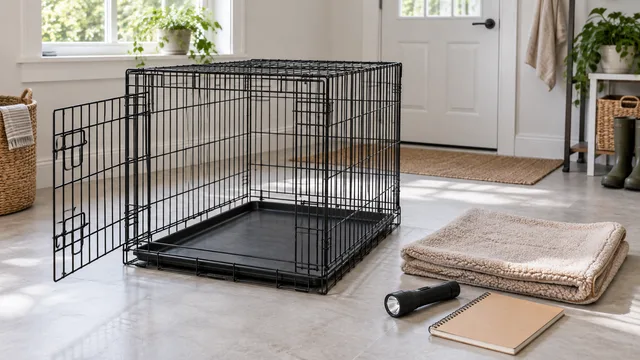
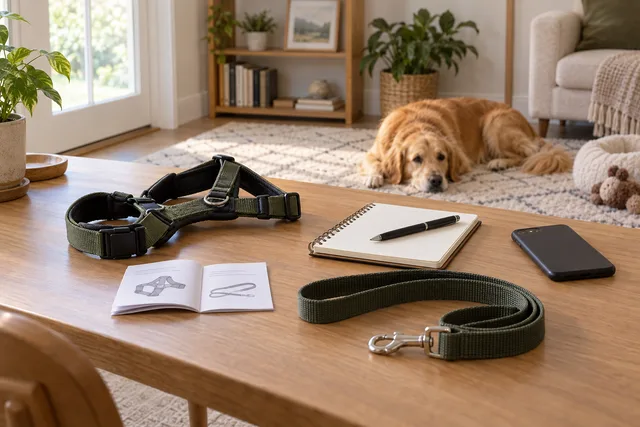
This guide provides a recordkeeping and search workflow for US readers. It does not declare any particular product safe, recalled or cleared for continued use. It also does not replace urgent veterinary care or the instructions in an official notice. The cover is an illustrative desk scene, not evidence of a recall involving the pictured accessories.
Make a small identification file before searching
Place the item, its packaging if available, and your purchase record together. Use a well-lit surface and keep loose parts away from the dog. You need a readable record of the product’s identity, not a dismantled product or an attempt to reproduce a reported failure.
Write the brand and full product name, then copy the model number exactly as printed. Keep prefixes, suffixes, spaces and punctuation in your first transcription. Add a serial number, batch or lot code, manufacture date and barcode number when present. Different labels may describe different things; do not put every number into one field called model.
Photograph the whole item and take a separate close-up of each identifying label. Check that the close-up is sharp enough to read before putting anything away. Keep an uncropped original alongside any enlarged version, so you can tell which product and label the numbers came from later.
Separate the product identifier from the retailer listing
An online order can help establish what was sold, but it should not replace the label on the item. Listings may combine sizes, colors or bundles under one page. A saved headline can therefore be less specific than the option named in your order or the model printed on the product itself.
Record the retailer, purchase date and order reference in a private note. If you bought through a marketplace, include the seller shown on the order. Keep a screenshot of the selected variant when it is available. These details can help explain an identity mismatch without requiring you to remember what a page looked like months earlier.
A retailer identifier, such as an Amazon ASIN, can be useful supporting information. It is not automatically equivalent to the manufacturer’s model, serial number or lot code. If a notice specifies one of those other identifiers, compare that field directly rather than assuming the retailer code answers the question.
Use an official source that fits the product
For consumer equipment, begin with the CPSC recalls and product safety warnings page, then check the manufacturer’s own safety or recall information. Search both the brand and the recognizable product name. Avoid setting a narrow date range initially: the purchase may be recent even when the relevant announcement is older.
For animal food and related veterinary products, the FDA animal and veterinary recalls page is a separate starting point. One database is not a complete substitute for the other. Use the product category and the official notice to guide the search rather than assuming every dog-related item appears in the same place.
This workflow is US-focused. A product obtained in another country may have different model identifiers, distribution or recall instructions. In that situation, check the relevant local authority and the manufacturer for the market where it was supplied. Do not silently apply a US notice to a different regional version.
Search systematically without turning guesses into matches
Start with the exact brand and product family. If the results are empty, try the company name printed on the label and the model number separately. This is useful when a familiar retail brand differs from the manufacturer or importer named in a notice. Keep the item itself nearby so you do not drift toward a similar product with a more recognizable name.
Open a plausible result and read the full notice. A search snippet may omit a date range, particular size or batch restriction that changes whether the item is included. Likewise, an old news story may summarize an earlier announcement without reflecting a later correction or expansion.
Record which official pages you checked and the date. Use precise wording such as no matching notice found in these searches. That is a record of the work performed, not a certification that the product cannot fail or that no new notice will appear. Leave unresolved identity questions visible in your notes.
Build a side-by-side match rather than relying on appearance
Create two columns in a note: details on my item and details in the notice. Compare the product name, model, relevant dates, serial or lot range, and any size or other limitation stated. Mark each field as matching, different or not yet known. This is a practical way to prevent one convincing detail from hiding another that remains unresolved.
Photographs can help you find a label or distinguish a design, but color alone is weak evidence. Products can look nearly identical while carrying different identifiers. Conversely, a notice may include multiple appearances. Follow the identifying criteria in the announcement rather than inventing a visual rule of your own.
If the announcement lists a range, transcribe both ends carefully and keep leading zeros. Do not shorten a long serial number to its final few digits because those are easier to compare. When the format is confusing, send the manufacturer the complete code through its verified contact channel and ask for a clear determination.
Keep food batch details separate from general product names
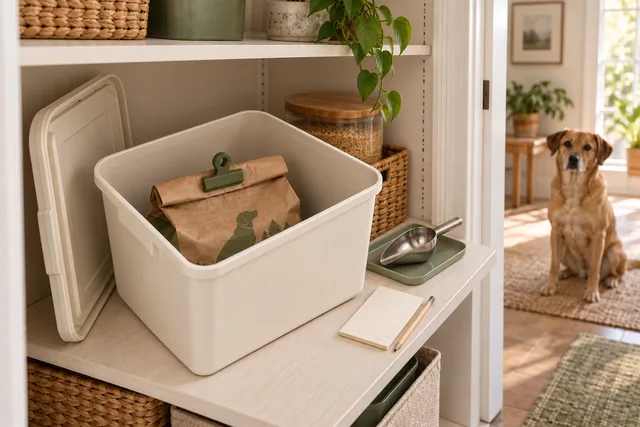
A food or treat name describes the product family, while package identifiers can distinguish the particular production involved. Keep the original bag, can or other label available while checking a relevant announcement. Copy the lot code and date exactly, including whether the date is labeled best by, use by or something else.
If several packages are in the house, check each one rather than assuming they share the same code. Keep your notes associated with the right package. A photo of one bag does not document a second bag that was bought on another visit or supplied in a different shipment.
Do not use this identification exercise to diagnose an illness or decide treatment. If your dog is unwell or you suspect exposure to a harmful product, contact a veterinarian promptly and keep the package information available. Follow the actual notice for handling, return or disposal instructions; this guide does not supply a universal decontamination procedure.
When the label is missing or unreadable
First check the original packaging, instruction booklet, order details and any registration record you already hold. Compare those records with the actual item carefully. A household may own two similar harnesses or two versions of an electronic accessory, so an old receipt is not proof that it belongs to the object currently in your hand.
Photograph what remains of the label without scraping, opening sealed components or using chemicals to reveal print. Send the company a description of the missing information along with clear photographs through its official support route. Ask what other identifying features it can use and whether those are sufficient to resolve the question.
Keep the status unresolved until you have an answer. A blank field should not become an assumed match or an assumed exclusion. If a credible notice could apply, keep the item out of use while its identity is clarified. Choose a suitable alternative for the dog’s routine rather than testing the questionable item to see whether it fails.
Follow the specific remedy after a confirmed match
Read the entire remedy section before taking irreversible steps. CPSC notices can involve different actions, including repair, replacement or refund; availability can change. The current notice and the company’s recall process determine what applies to that particular product. Do not borrow instructions from a recall for a similar-looking item.
Stop use when the notice instructs you to do so, and arrange the dog’s routine around another suitable item. Keep the recalled object from being accidentally returned to service by a family member. A clearly labeled storage location and a brief household message can be more effective than assuming everyone saw the original alert.
Do not cut straps, damage equipment, mail items or discard identifiers simply because another recall required that step. Wait for the applicable instructions and preserve the requested evidence. If you cannot carry out a step safely or the remedy is unclear, contact the verified recall channel before proceeding.
Keep a record of the claim and the outcome
Save the announcement link, the date you read it, your matching identifiers and the company’s confirmation or claim reference. If the recall page changes, those notes help explain which instructions you followed. Keep receipts and correspondence in a private folder rather than posting order numbers or address labels publicly.
Record the next action in plain language: awaiting identity confirmation, claim submitted, replacement received, or another accurate status. Include a follow-up date only when it reflects the process you were given or a reminder you intentionally set. Do not mark a case complete just because a form was submitted successfully.
When a replacement or repair arrives, check the accompanying instructions and record what changed. Keep the old and new identifiers distinguishable in your file. Close the record only after the relevant steps are finished, and make sure the household knows which item can be used under the supplied instructions.
Make future checks easier without constant searching
A small product folder is enough. Use one entry per physical item when serial numbers differ, and attach the relevant label photos and purchase record. For consumables, store package-specific codes where they can be connected to the right purchase. You do not need an elaborate spreadsheet if a clearly named note is easier to maintain.
Good moments to collect information include unboxing equipment, transferring supplies to another household and receiving a safety message. A secondhand item deserves an identity check before use even if the previous owner reports no problems. Absence of a personal incident does not answer whether a notice applies.
For ordinary wear, keep a separate inspection routine. Recall research and condition checks answer different questions: a product can be damaged without being recalled, and an affected product can look intact. Our wire crate inspection guide covers visible condition, while this workflow concerns official notices and exact identity.
Frequently asked questions
Does an empty search mean my item is safe?
No. It means you did not find a matching notice using those sources and terms at that time. Keep following the product’s instructions and address damage or abnormal operation separately.
Is the same brand enough to confirm a recall?
No. Read the notice’s identifying criteria. The model, lot, serial range or other limits may be essential. Compare your actual item rather than relying only on a familiar logo.
Should I throw the item away immediately?
Follow the applicable notice. Disposal, return, evidence and remedy requirements differ. Keep it out of use when instructed, but do not destroy identifying information before understanding the process.
Can I check a secondhand product?
Yes. Start with the product’s labels and any records supplied with it. Missing purchase information may require clarification from the company; it is not a reason to invent a model or purchase date.
What if a social post names my product?
Use it as a lead, then locate the official announcement and compare identifiers. Save the authoritative notice rather than treating a cropped image or repost as the full instructions.
Sources and next steps
The CPSC recall and safety warning search and FDA animal and veterinary recall listings are the official starting points referenced here. Consult the specific notice and manufacturer for the item in question. The folder structure and comparison method above are practical editorial suggestions, not an official clearance procedure.
For keeping food package information connected to its contents, see storing dry dog food in its original bag. Keep recordkeeping, recall matching and everyday condition checks distinct so each question receives the right answer.